No mother or newborn should be lost to a broken system
We believe maternal and newborn deaths are preventable when strong systems are in place. CPHD strengthens these systems through research, training, equipment support, innovation testing, and advocacy, ensuring every mother and baby receives timely care
Welcome to CPHD
For over 15 years, we have been ensuring healthier pregnancies and safer births for mothers and newborns in the most vulnerable communities. By leveraging data and partnering directly with last mile health providers and communities and, we bridge critical gaps to bring essential, life-saving care closer to home, because every beginning should be bright.
CPHD 2025 impact section: 1.52 million patients reached, patients 3× more likely to receive oxygen care, HCW confidence rose from 3 to 8 out of 10, 9,932 total HCWs trained across all programmes including O2aaS, PITUS CoBAnK, and MaPEMA POCUS.
O₂AAS · Busia & Homa Bay · 16 facilities
3×
Patients in CPHD-supported facilities are three times more likely to receive care when their blood oxygen drops. Before the project, oxygen ran out for days. Nurses rationed air. Patients were loaded into ambulances for distant hospitals, a journey that often ended in tragedy. Now 16 facilities have uninterrupted oxygen supply.
520+
PATEINTS TREATED
Across 16 Facilities
77→95
SpO₂ % avg
blood oxygen, before → after
22%
Fewer referrals
oxygen-dependent cases
HCW confidence in oxygen care, before & after training
BEFORE
OaaS
30%
AFTER
OaaS
80%
72 healthcare workers trained in O₂aaS alone. Across all CPHD programmes in 2025, 9,932 HCWs trained in total, including O₂ therapy, POCUS diagnostics, blood transfusion protocols, and AI-readiness workshops.
Before you came, we could go a whole week without oxygen. Some patients died in the ambulance. Now it is just available, and our confidence went from 3 out of 10 to 8 out of 10
— Nurse in charge · Busia County sub-county hospital
2025 — all programmes
PATIENTS REACHED
0 M
1,524,000 people
HCWS TRAINED
0
All programs combined
FACILITIES
0
Supported across Kenya
DEVICES OUT
0
Medical devices distributed
PITS/COBANK · SIAYA COUNTY
Communities
move blood.
24 community-facility transfusion committee members hospital staff, community leaders, county officials now govern blood from donor to bedside in Siaya County. 6,179 case records verified.
CASE RECORDS
0
MAPEMA · AI-POCUS · KENYA MOH
Only 16% of public facilities have ultrasound.
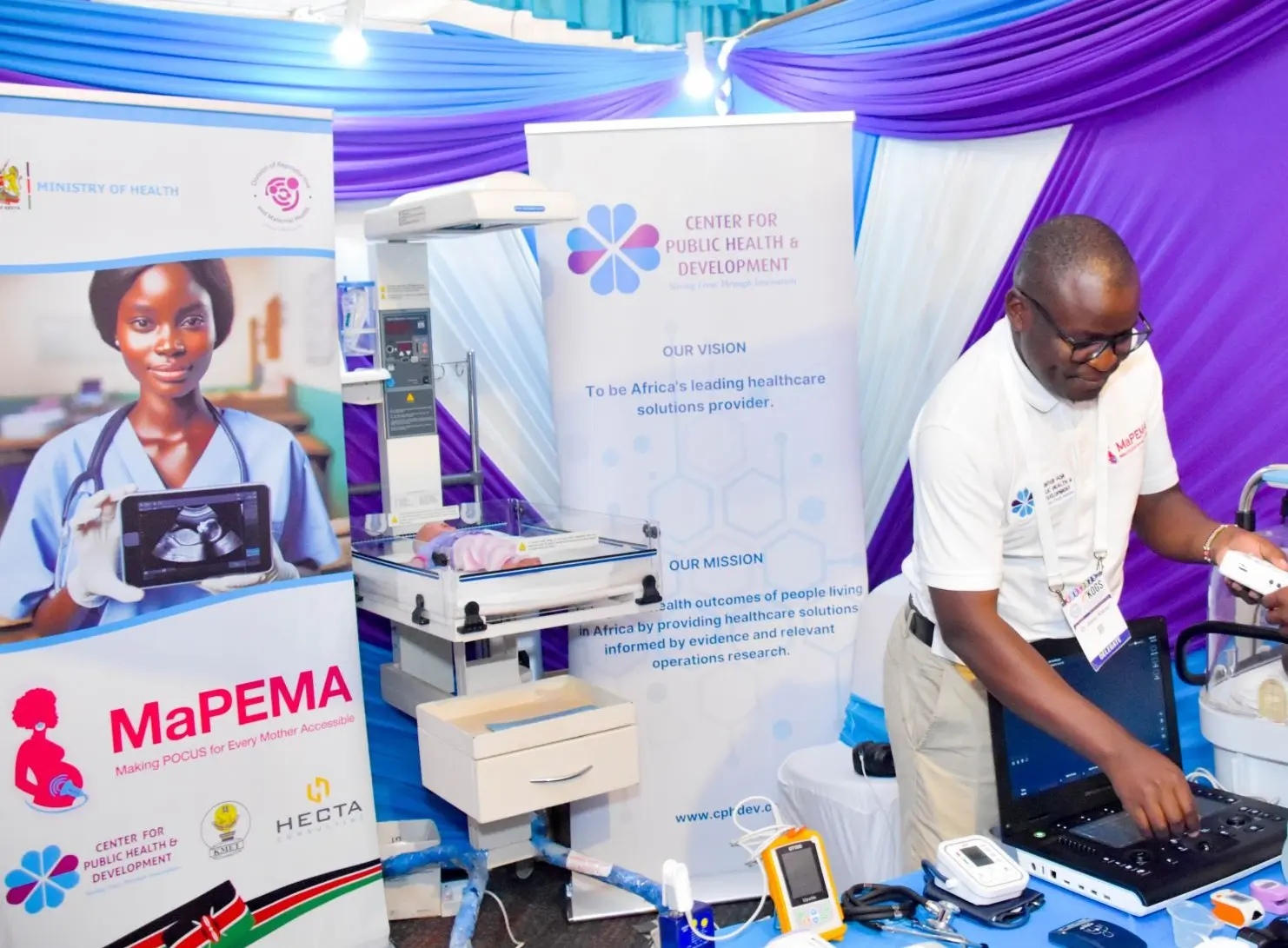
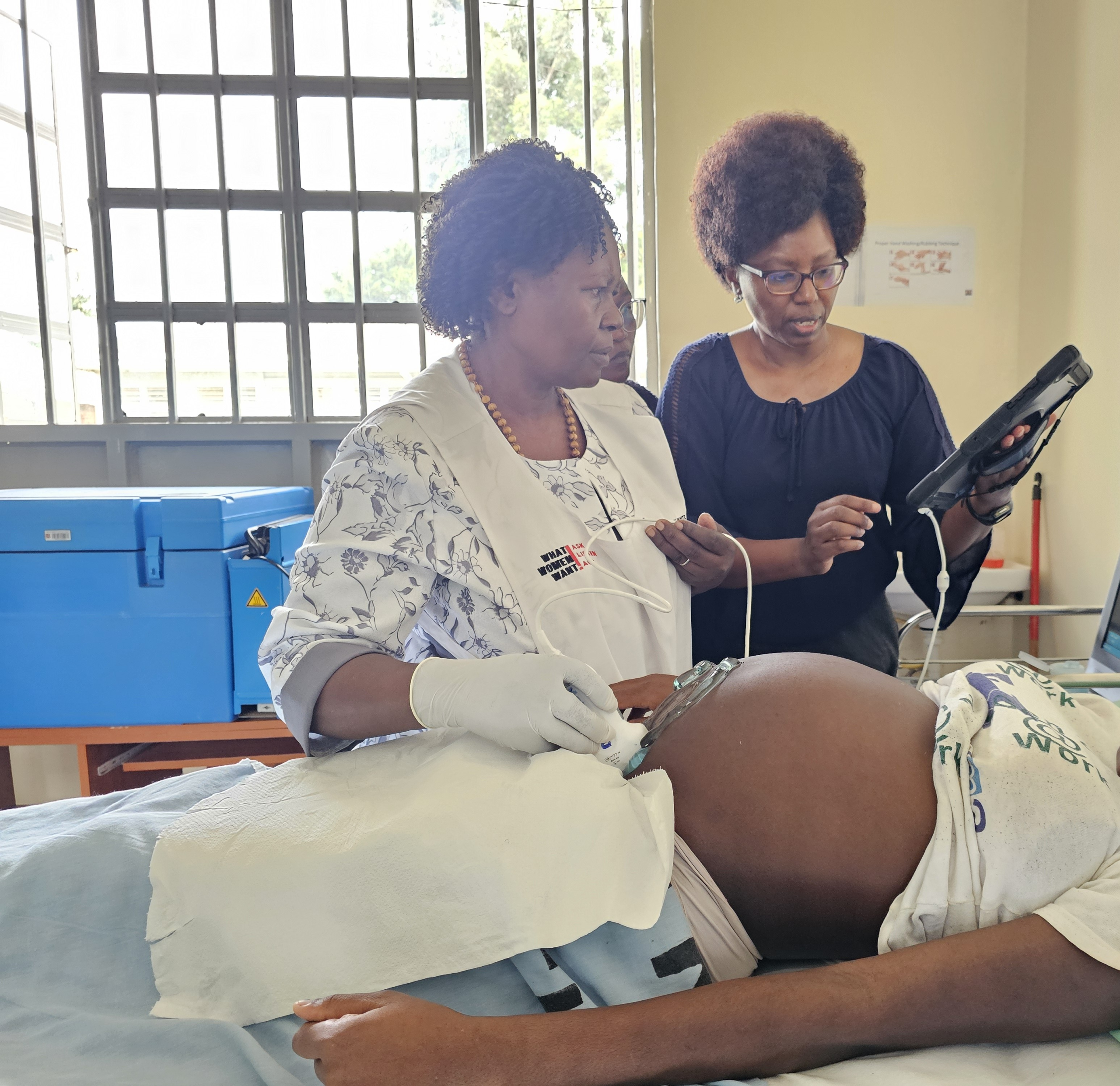
AI-powered point-of-care ultrasound (AI-POCUS) could transform maternal care in Kenya, detecting complications before they become fatal. CPHD supported the Ministry of Health in developing the O-POCUS national training package and AI guidelines for MNCNH, and convened the O-POCUS Technical Working Group to coordinate implementation across counties.
“AI in healthcare is advancing rapidly, but our policies are struggling to keep pace. Without clear guidelines, innovation outpaces governance.” — MoH stakeholder
ANC WORKERS ENGAGED
0
COUNTIES COVERED
0
Our Work
Maternal and New born health
Too many mothers and newborns die or suffer complications because health systems fail to detect danger signs early, make timely referrals, or deliver responsive care in limited resource settings
Lives are lost every day because many health facilities lack a reliable, affordable oxygen system, undermining critical care for newborns, trauma patients, and those with respiratory conditions or complications.
Promising health innovations often fail to reach many communities because they are not designed or tested for real-world, low-resource settings, leaving frontline providers without the tools they need to deliver timely, effective services
Africa faces a fast-growing health threat from NCDs, yet health systems remain underprepared, lacking early detection tools, community-based care, and policies to respond equitably to chronic disease burdens.